
How to Keep Your Maine Coon Healthy
Keeping a maine coon healthy requires a balanced approach that includes nutrition, veterinary care, grooming, and daily lifestyle habits. This breed is known for its large size, intelligence, and affectionate nature, but it also has specific needs that must be managed consistently. Proper care helps support long-term wellness and reduces the risk of common health issues. With the right routine, a maine coon can stay active, strong, and comfortable throughout life.
It is also important to understand that a maine coon develops slowly compared to other cats, which means care requirements extend well into adulthood. Their size and personality make them highly interactive pets that benefit from structured routines. Consistency in feeding, grooming, and exercise plays a major role in maintaining long-term health. Owners who stay proactive tend to see fewer health complications over time.
Balanced Nutrition and Diet
Nutritional Needs
A maine coon needs a protein-rich diet to support its large muscular body and active energy levels. Healthy fats help maintain coat quality and overall skin health, while carbohydrates should remain limited. A maine coon benefits most from balanced meals that match its natural dietary needs as a carnivorous animal. Proper nutrition also supports immune health and long-term vitality.
Feeding consistency is also important for a maine coon because irregular meal patterns can affect digestion and energy levels. Most owners find that scheduled feeding twice a day helps regulate appetite and prevents overeating. Portion control is especially important since this breed has a strong appetite. Maintaining structure around feeding times supports both physical health and behavior stability.
Exercise and Mental Stimulation
Physical Activity Needs
A maine coon requires regular physical activity to maintain muscle tone and prevent obesity. Even though they are large cats, they are highly playful and enjoy interactive movement. Activities such as climbing, chasing toys, and exploring vertical spaces help keep a maine coon physically engaged. Without enough activity, they can become overweight or develop joint stiffness.
Providing cat trees, tunnels, and interactive toys helps encourage daily movement. A maine coon also enjoys games that simulate hunting behavior, such as feather wands or moving toys. These activities support both physical fitness and natural instincts. Regular exercise contributes to a longer and healthier life.
Mental Enrichment
Mental stimulation is just as important as physical exercise for a maine coon. Puzzle feeders and interactive toys help challenge their intelligence and reduce boredom. A maine coon is highly intelligent and may become destructive if not mentally engaged. Providing new experiences helps maintain emotional balance.
Social interaction is also a key part of mental enrichment. A maine coon typically enjoys being around people and may follow family members throughout the home. Spending time interacting with your cat helps build trust and reduce anxiety. A well-stimulated maine coon is generally more relaxed and well-behaved.
Veterinary Care and Preventative Health
Routine Monitoring
Regular veterinary visits are essential for a maine coon because they help detect health issues early. Routine exams allow veterinarians to monitor heart health, joint condition, and weight changes. A maine coon benefits from early detection of breed-related conditions, which improves treatment outcomes. Preventative care is always more effective than reactive treatment.
Aging Care
As a maine coon ages, their care needs begin to change gradually. Older cats may require joint support and more frequent health checkups. Monitoring mobility and appetite becomes increasingly important during senior years. Adjusting diet and activity levels helps maintain comfort and quality of life.
Senior maine coon cats may also benefit from softer bedding and easier access to food and litter areas. Reducing strain on joints helps improve mobility and comfort. Regular veterinary assessments become even more important as the cat ages. Proper senior care helps extend both comfort and longevity.
Grooming and Coat Maintenance
Brushing and Coat Care
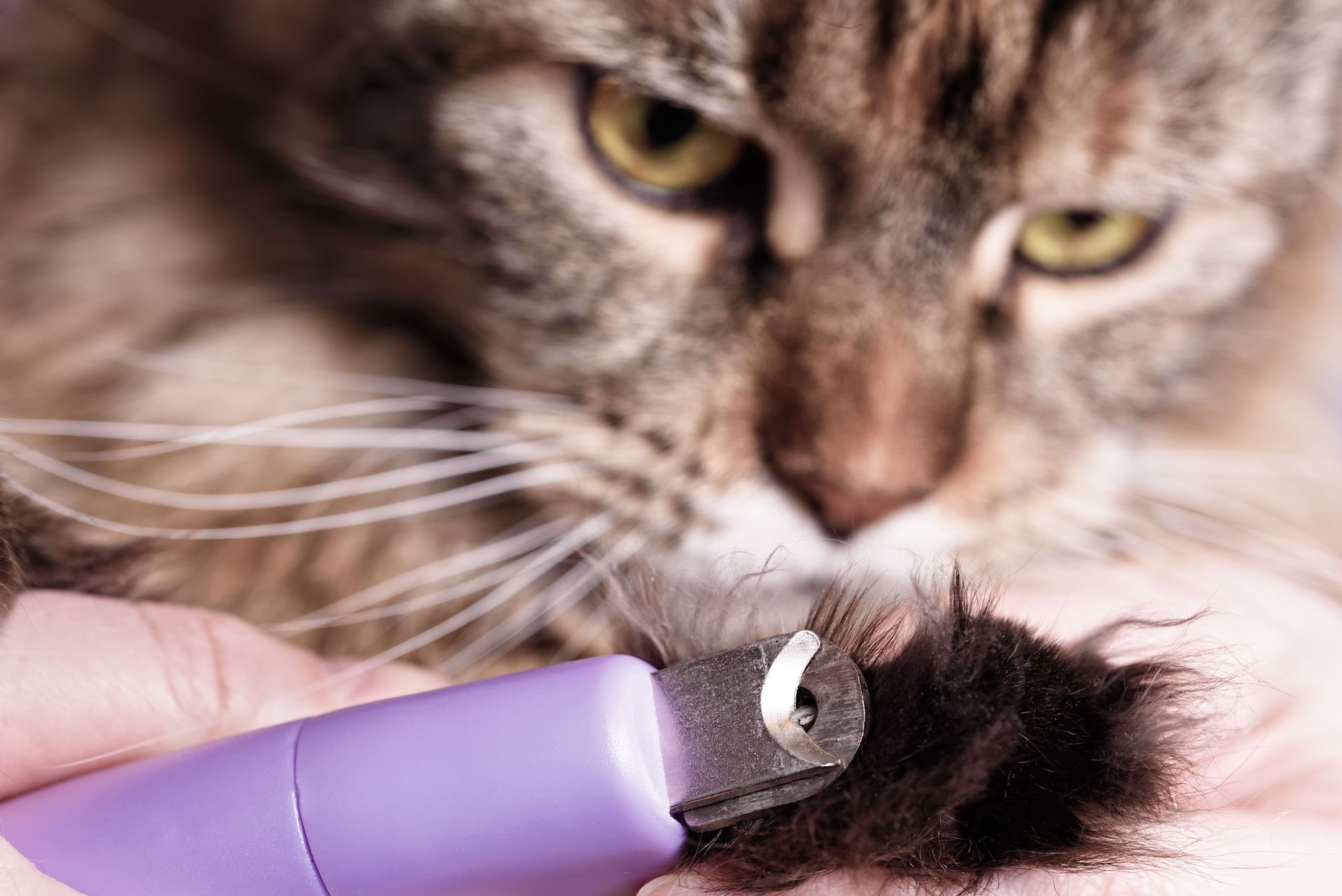
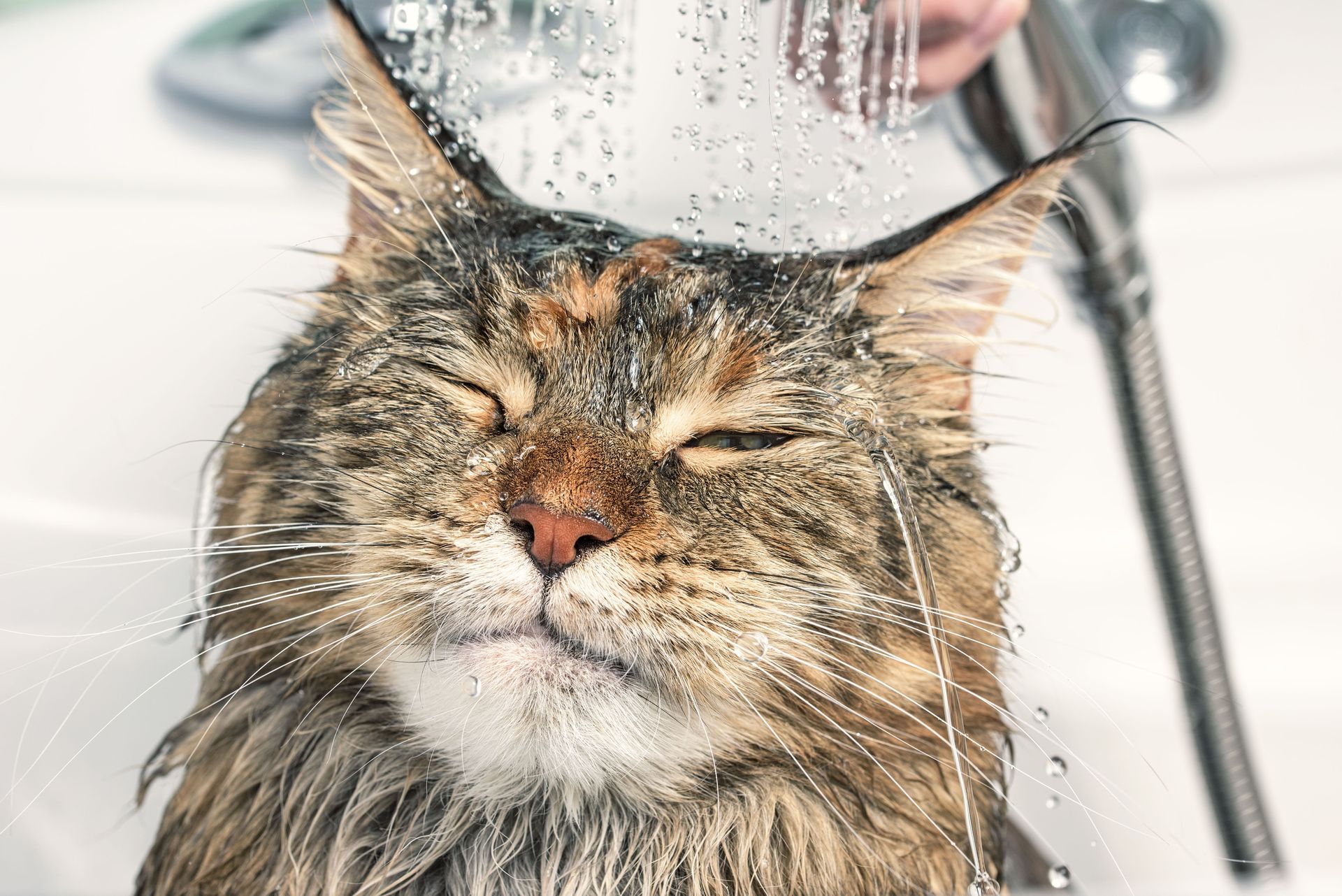
A maine coon has a thick coat that requires regular brushing to prevent mats and tangles. Weekly grooming helps reduce shedding and keeps the coat healthy. A maine coon also benefits from grooming as a bonding activity with its owner. Regular brushing helps detect skin issues early.
During seasonal shedding periods, grooming should be increased to prevent hair buildup and discomfort. Using proper grooming tools ensures the coat remains smooth and manageable. A consistent grooming routine also helps reduce hairballs. This contributes to both digestive and coat health.
Behavior, Training, and Home Environment
Understanding Temperament
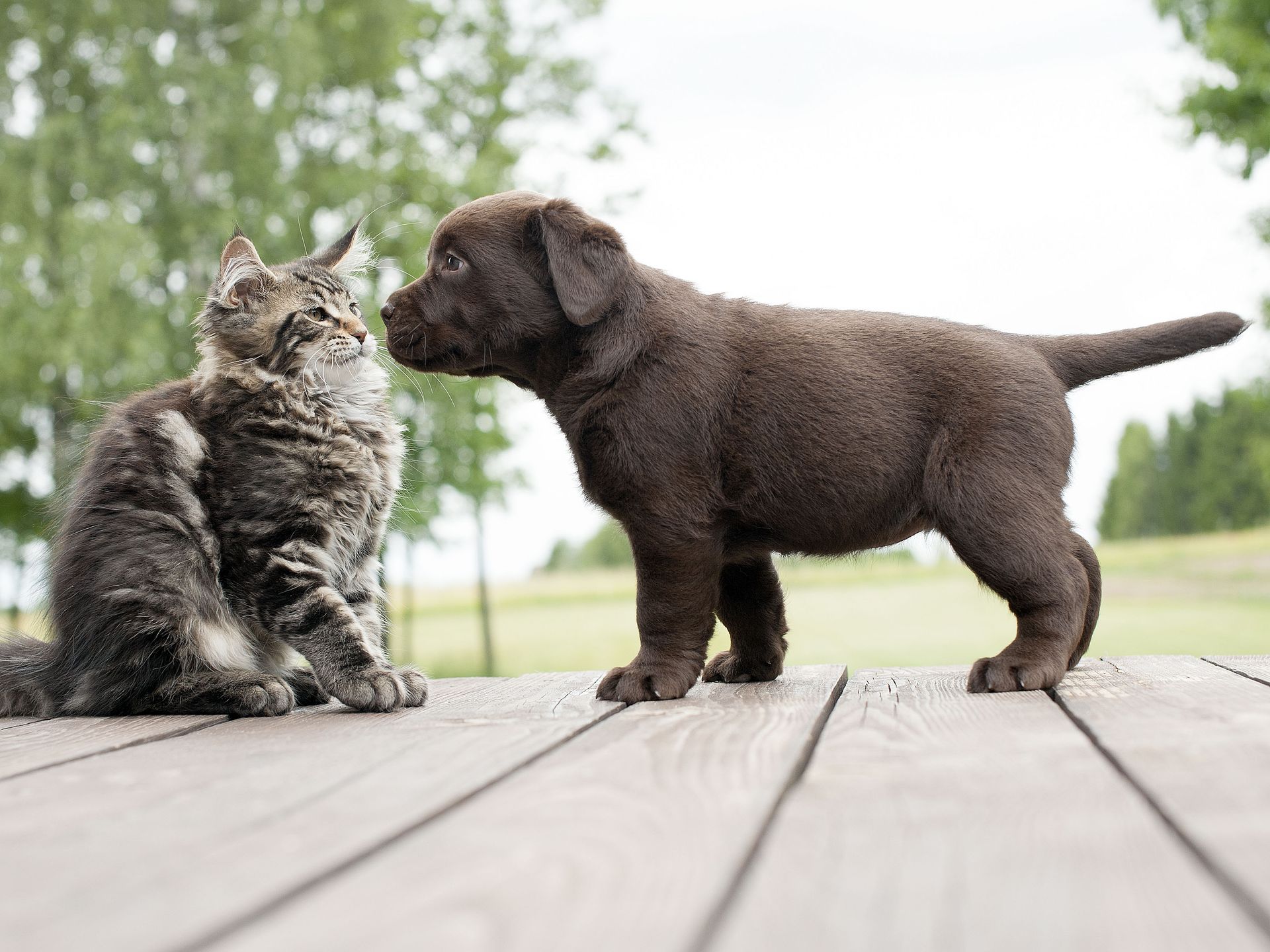
A maine coon is known for its gentle, friendly, and intelligent temperament. Unlike more independent cat breeds, a maine coon often enjoys social interaction and may follow its owner from room to room. This behavior makes them highly adaptable to family environments. Their calm nature allows them to coexist well with children and other pets when properly introduced.
Despite their size, a maine coon is often described as having a “dog-like” personality due to their loyalty and curiosity. They enjoy learning routines and may respond well to simple training commands. Positive reinforcement works best when shaping behavior and encouraging good habits. Early socialization helps a maine coon develop confidence in different environments.
Training and Routine Building
Training a maine coon is generally easier than with many other cat breeds due to their intelligence. They can learn basic commands, litter habits, and even leash walking with patience and consistency. Short training sessions are more effective than long ones, especially when combined with rewards. A maine coon responds best when training feels like a game rather than a chore.
Establishing a daily routine helps reduce anxiety and encourages stable behavior patterns. Feeding, playtime, and rest schedules should remain consistent whenever possible. A structured environment helps a maine coon feel secure and confident in its surroundings. Over time, this consistency strengthens the bond between cat and owner.
Living Environment and Comfort
Home Setup and Safety
A maine coon thrives in a home environment that offers space, stimulation, and comfort. Due to their large size, they benefit from larger litter boxes, sturdy furniture, and spacious resting areas. Vertical spaces, such as shelves or cat trees, allow them to climb and observe their surroundings. A well-designed environment supports both physical and mental health.
Safety is also important because a maine coon is naturally curious and may explore hidden or unsafe areas. Keeping toxic plants, small objects, and dangerous materials out of reach helps prevent accidents. Window screens and secure outdoor access should be considered if they are allowed outside. A safe environment ensures a healthier and more relaxed maine coon.
Emotional Well-Being
Emotional health plays a significant role in the overall well-being of a maine coon. These cats form strong bonds with their owners and may become stressed if left alone for long periods. Providing companionship, toys, and interactive play helps reduce loneliness. A maine coon that feels secure is more likely to display positive behavior.
Environmental enrichment, such as scratching posts, climbing structures, and window perches, helps prevent boredom. Changing toys periodically keeps their environment interesting and engaging. Emotional stability contributes directly to physical health and longevity. A well-cared-for maine coon is typically calm, affectionate, and well-adjusted. .
Proper care for a maine coon includes balanced nutrition, preventive veterinary care, grooming, exercise, and mental stimulation. According to Yahoo, a maine coon will live 10-13 years, making consistent care essential for maximizing lifespan and quality of life. With proper attention, a maine coon can remain healthy, active, and affectionate throughout its years. Long-term commitment ensures this breed thrives in a stable and caring environment.
Providing structure in daily routines helps improve both physical health and emotional well-being. A maine coon responds well to consistency, attention, and engagement from its owner. When all aspects of care are balanced, this breed can live a fulfilling and enriched life. Proper care ultimately leads to a stronger bond and a healthier companion. For more information, contact Rocket City Coons.
Share On: